
1. South Kashmir: The Apple & Saffron Heartland
South Kashmir is known for producing some of the highest-value agricultural products in the region.
Key Crops:
Apples
Saffron
Walnuts
Select vegetables
Districts like Shopian, Pulwama, and Pampore benefit from slightly higher altitudes and cooler nights, which are ideal for apple coloration and aroma-rich saffron cultivation.
Pampore, in particular, is globally recognized for Kashmiri saffron, grown in karewa (elevated plateau) soils that provide natural drainage and mineral balance.
2. North Kashmir: Apples, Pears & Trade Hubs
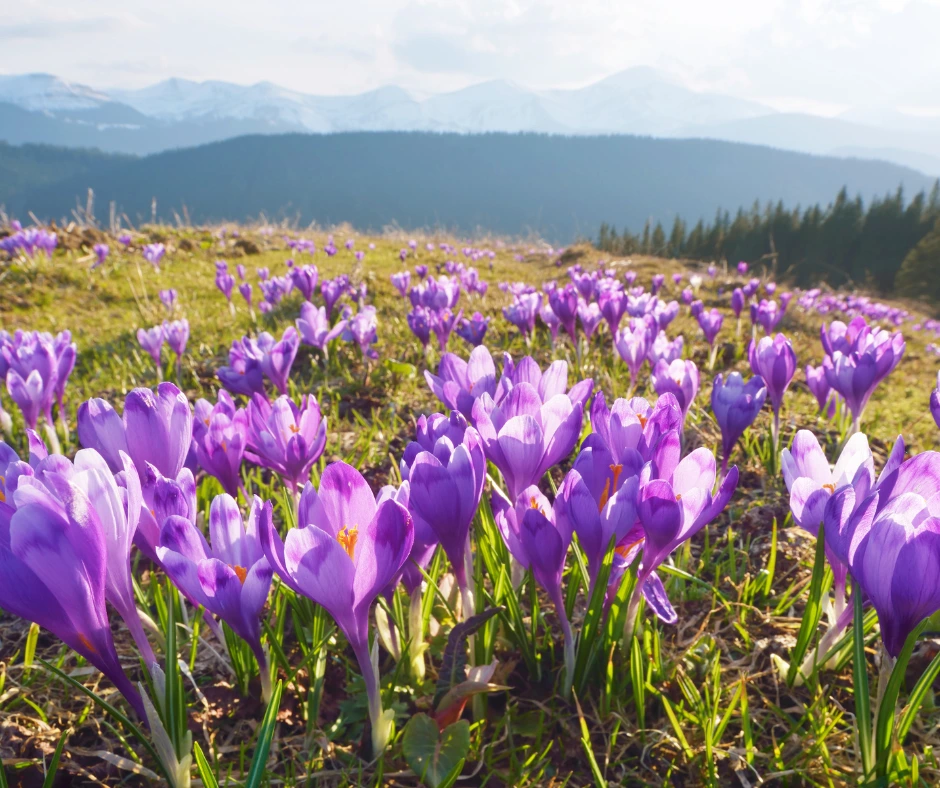 North Kashmir plays a dual role —
production and distribution.
North Kashmir plays a dual role —
production and distribution.
Key Crops:
Apples
Pears
Cherries
Walnuts
Towns like Sopore and Baramulla are not only fruit-growing areas but also major trade and aggregation centers.
Sopore houses one of Asia’s largest fruit mandis, making North Kashmir crucial in connecting farmers with national markets. Apples grown across the valley often pass through this region before being transported outside Jammu & Kashmir.
3. Central Kashmir: Rice Bowl of the Valley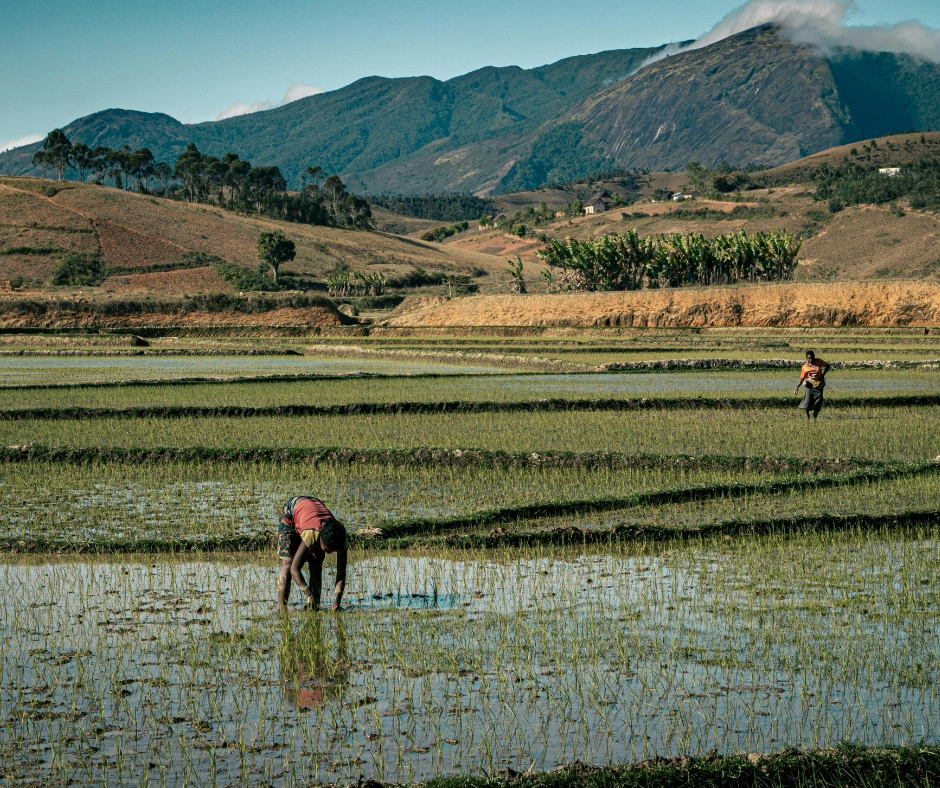
Central Kashmir, including areas around Srinagar, is dominated by wetland and low-lying plains, making it ideal for rice cultivation.
Key Crops:
Rice (Paddy)
Vegetables
Fodder crops
The presence of rivers, lakes, and natural wetlands supports irrigation-intensive farming. Rice remains a staple crop and a cultural cornerstone of Kashmiri cuisine and daily life.
4. Karewa Regions: Saffron, Almonds & Dry Crops
Karewas are elevated plateaus formed over thousands of years. These regions are unsuitable for water-intensive crops but perfect for dryland agriculture.
Key Crops:
Saffron
Almonds
Mustard
Pulses
Karewa farming depends heavily on rainfall and traditional methods, making it vulnerable but also ecologically significant.
5. Mountain & Highland Areas: Pasture-Based Economy
High-altitude regions such as Gurez Valley and parts of Kupwara focus less on crops and more on pastoral activities.
Key Outputs:
Sheep and goat rearing
Dairy products
Limited seasonal vegetables
These areas play a vital role in sustaining Kashmir’s meat and wool economy.
6. Kitchen Gardens & Local Vegetables Across the Valley
Beyond large farms, almost every household maintains a small kitchen garden.
Common Produce:
Leafy greens
Turnips
Radish
Local beans
These gardens ensure food security during long winters and preserve traditional eating habits that rely on seasonal, fresh produce.
Why Regional Diversity Matters 🌄
Kashmir’s agriculture survives because:
Each region grows what suits its environment
Crops are not forced against nature
Farming knowledge is location-specific
This diversity reduces risk and sustains the valley’s rural economy.
Final Insight 🌾
Kashmir is not one agricultural land — it is many lands within one valley. From orchards and saffron fields to rice plains and highland pastures, each region contributes a unique piece to the agricultural identity of Kashmir.
Understanding these regions helps us understand why Kashmir produces what it does — and why it cannot be replicated elsewhere.